
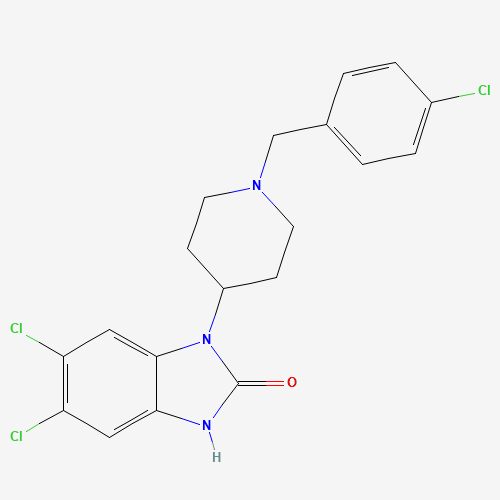
SR 17018
Biased Mu-Opioid Receptor Agonist
Quick Start — Suggested Doses
A rough starting-point reference from r/SR17018 community reports. There is no universal dose — it depends on your weight, metabolism, and which opioid (and how much) you are coming off. Do an allergy test first, then start low and go slow: wait at least 2 hours between doses and titrate up only as needed.
| Coming off (your DOC) | Typical starting dose | SR needed |
|---|---|---|
| Kratom (lower doses) | ~10–20 mg | ~1 g |
| Suboxone / buprenorphinetaper subs as low as you can first | ~25 mg | ~2 g |
| Classic opioids — oxycodone, heroin | 25–50 mg, ~3×/day | ~2 g |
| Fentanyl, heroin, nitazenes ("zenes") | 25–30 mg every 4–6 h | ~2–3 g |
| Methadone (long-acting) | ~25–50 mg, longer taper | ~3 g |
| 7-OH, MGM & kratom extracts | 50–150 mg, ~3×/day | ~3 g |
Amounts are approximate — 3 grams is more than enough even for a heavy habit. Most people settle around 30–50 mg three times a day. There is no reliable morphine-equivalent for SR 17018 — it is 1:1 with morphine in rats only, does not translate to humans, and dosing by comparison to your old opioid is dangerous. See the full Dosing, Community Taper Protocol, and Safety sections below.
Overview
SR 17018 is a synthetic, biased G-protein mu-opioid receptor agonist — it favors G-protein signaling over beta-arrestin-2 recruitment. Developed at Scripps Research as a safer painkiller, it has been adopted by harm reduction communities for a different purpose: coming off opioids and reducing opioid tolerance. It suppresses withdrawal without euphoria and with minimal respiratory depression — but it is a research chemical with no human trials, and much is still unknown.
Use as an Opioid-Cessation Tool
SR 17018's main real-world use, documented on r/SR17018, is discontinuing opioids — or lowering tolerance to them — without acute withdrawal. Members report coming off fentanyl, heroin, nitazenes ("zenes"), methadone, buprenorphine, kratom and 7-OH, ODSMT, and other synthetic opioids. Because it does not precipitate withdrawal, two transition strategies are reported:
- Stop the opioid, start SR 17018 right away
- Reported as safer, faster, and using less SR 17018
- Many wait until withdrawal begins before the first dose
- Keep the opioid at a lowered dose while taking SR 17018
- Possible because SR 17018 doesn't precipitate withdrawal
- May produce fewer withdrawal symptoms overall
Whether to "preload" — start SR 17018 before fully stopping your opioid — is hotly debated; see Preloading below.
Preloading
Preloading means starting SR 17018 — and often easing your opioid (your drug of choice, or DOC) down — for a day or more before you fully stop, rather than quitting cold the same day. Whether it helps is hotly debated and seems to depend on what you're coming off; there's no hard science yet.
- Oxycodone, heroin, buprenorphine / subs
- Guide author and many say it's not needed — a same-day switch usually works
- Some call it pointless, or suspect the relief is just leftover DOC
- Synthetic kratom extracts & other multi-receptor drugs
- Many find it genuinely helpful
- Some say SR "doesn't work" for them without it
When people preload, the usual approach is a short one-day lead-in (some do a few days): take SR 17018 alongside your DOC — often while tapering the DOC down — then stop the DOC and continue SR. A longer-half-life DOC may need a longer lead-in. One epileptic member found preloading prevented the brain-zaps and seizure symptoms an abrupt stop caused.
Bottom line: for traditional opioids and Suboxone you probably don't need to preload; for 7-OH, MGM, and kratom it may be worth a short one. It's anecdotal and individual — listen to your body.
Dosing
There is no universal dose. Reported effective doses range from roughly 25 mg to 150 mg, depending on weight, metabolism, and which opioid (and how much) you're leaving. Recurring principles from r/SR17018:
- Start low, go slow — titrate up only as withdrawal requires.
- Smaller, more frequent doses beat large infrequent ones.
- Don't redose more often than every ~2 hours — onset is slow, so it's easy to overdo.
- Potency is non-linear, with a ceiling around 100 mg per dose.
- Log every dose (time and amount) — that's how you find your dose.
A common starting point: roughly 30–50 mg three times a day for a typical habit (50–150 mg for 7-OH and kratom extracts), for about a week. Around 3 grams total is usually enough; more doesn't lower tolerance any faster. The human morphine-equivalent is unknown (1 mg ≈ 1 mg morphine in rats, but that doesn't translate reliably) — so don't dose by comparison to other opioids.
Community Taper Protocol
After an allergy test, the r/SR17018 master document lays out a three-phase protocol — community guidance, not medical advice:
0 · Allergy test. Take under 5 mg and watch for any reaction — rash or hives, itching, swelling of the face, lips, or tongue, or trouble breathing. If any appear, stop and seek care.
1 · Calibration (~3 days). On the day you stop your opioid, start around 25 mg (20–35 mg), wait at least 2 hours between doses, and titrate up to manageable withdrawal — logging each one.
2 · Maintenance (4–7+ days). The total that controlled your withdrawal over 8 hours becomes a fixed dose taken every 8 hours (some use 6 or 12). This stabilizes you and lowers tolerance; longer-half-life opioids may need a longer maintenance.
3 · Taper (≥3 days, often ~10). Once comfortable, cut about 10% per day; hold if withdrawal turns intolerable. Done when you're comfortable at 0 mg.
SR 17018 builds little tolerance of its own, so its own withdrawal is usually mild or absent — the taper mainly smooths off lingering symptoms (likelier after ~80 mg+ doses or courses over 7–10 days); with none, you can simply stop. Some keep a low twice-daily dose afterward for cravings, and comfort meds (clonidine, propranolol, gabapentin, pregabalin) help. A community Taper Schedule Generator automates the math.
Onset & Duration
SR 17018's half-life is roughly 8–12 hours — how long it stays in the body, not how long you feel it. The felt duration (how long it holds back withdrawal) is about 6–12 hours, usually near 8 — so some drug remains after relief fades. Onset is gradual: relief begins ~30 minutes in, peaks around 2 hours, and holds 5–6 hours. That's why dosing every 8 hours suits most people through maintenance and taper.
Route of Administration
SR 17018 is oral only. It's insoluble in water and propylene glycol (PG), so it can't be snorted, "boofed," or injected — which incidentally limits abuse. It dissolves in DMSO and PEG300, but those solvents carry health risks, so weighing it into capsules is preferred. Rectal use has been tried and reported as ineffective and uncomfortable.
Mechanism
Conventional opioids activate both G-protein and beta-arrestin-2 pathways; the beta-arrestin side drives respiratory depression (the main cause of overdose death), constipation, and rapid tolerance. SR 17018's strong G-protein bias appears to decouple withdrawal relief from those harms, giving a wide dose range before respiratory depression sets in.
It binds the receptor tightly but signals weakly — a biased partial agonist with high binding affinity and low intrinsic efficacy. Tight binding relieves withdrawal no matter how potent your last opioid was; the weak signal is why it gives no euphoria and no reliable pain relief in opioid-tolerant people. It's also noncompetitive — binding a separate (allosteric) site rather than displacing your other opioid — which is why it does not cause precipitated withdrawal like buprenorphine (Suboxone), and can be taken alongside another opioid while you taper.
Its most striking, least-understood trait is that it appears to reduce tolerance over time — holding off withdrawal while walking tolerance back toward baseline. The mechanism isn't settled: G-protein bias is one proposed but incomplete explanation, since other G-protein-favoring opioids like kratom and 7-OH don't lower tolerance.
Effects
For regular opioid users SR 17018 produces no euphoria or "high" — members describe relief from withdrawal without reward. It's functional, not pleasurable, which is why it doesn't seem to swap one dependence for another. People typically report about an 80% drop in withdrawal symptoms; the main side effect is drowsiness at roughly 50 mg and up.
- Withdrawal suppression
- Tolerance reduction over time
- Reduced opioid cravings
- Mild relaxation / sedation at higher doses
- Euphoria / reward
- Respiratory depression (none reported below ~150 mg)
- Tolerance build-up
- Precipitated withdrawal
Pain relief is inconsistent: many report little or none, some opioid-naive users get mild relief (one likened it to Tylenol), and others say their chronic pain worsened. Don't rely on it as a painkiller.
Safety & Harm Reduction
The biggest risk: lower tolerance means a higher overdose risk. After a course of SR 17018 your opioid tolerance is much lower, so returning to your old dose can be fatal — it has killed at least one person in the community. If you ever use opioids again, treat yourself as opioid-naive and start at a small fraction of your old dose. Keep naloxone (Narcan) on hand.
- Allergy test first, before any real dose.
- Verify your product. Real SR 17018 is hydrophobic — 5–10 mg in water floats instead of dissolving; it's a fluffy, faintly shiny powder with little or no smell (or a faint "chemical" one). Free lab-testing programs exist; if unsure, start sub-milligram.
- Respiratory depression isn't reported below ~150 mg, but higher doses in humans are untested — don't assume you can't overdose.
- Long-term effects are unknown — take the least you need, for as short a time as possible.
- Listen to your body; hydrate, eat, rest, and slow the taper if needed.
- Drug tests: it's unrelated to routinely-screened opioids and doesn't show on standard panels (a specialized GC-MS test could detect it if sought).
PAWS (post-acute withdrawal) is likelier off multi-receptor drugs (kratom, 7-OH, tramadol, tapentadol) or long-acting ones (methadone, buprenorphine); going slow and using the gradual transition reduces it. Afterward, members stress replacing the ritual of using with healthier routines — music, exercise, creative work, community, support — and keeping any comfort-med course (clonidine, propranolol, gabapentin, pregabalin) short, a few days, to avoid a new dependence.
Research
SR 17018 was developed at Scripps Research and published in journals including PNAS. Preclinical studies showed analgesia with a respiratory-safety window roughly 10× wider than morphine, and found that substituting it in tolerant animals restored a conventional opioid's potency — matching the tolerance-reversal users report. It remains preclinical, with no human trials.
Legal Status
SR 17018 is a research compound — not FDA-approved for human use and not scheduled under the Controlled Substances Act; it is legal for research but not for human consumption. Laws and enforcement vary by jurisdiction — know your local laws.
Community & Sources
This page draws on the r/SR17018 community — its pinned moderator guide and the master document of real user experiences, the most detailed harm-reduction resources on SR 17018. Join the subreddit for discussion, reports, and updates.
Visit r/SR17018 → Read the SR-17018 Master Doc →For educational and harm-reduction purposes only. It summarizes community-reported experiences and is not legal, medical, or therapeutic advice. SR 17018 is a research chemical untested in humans, and nothing here recommends using it. If you're managing opioid dependence, consult a qualified healthcare provider — and above all, listen to your body. Know your local laws.